Pre-Delay Settings: How 30ms Changed My Vocal Mixes
Seven pre-delay times tested with measured clarity and positioning results
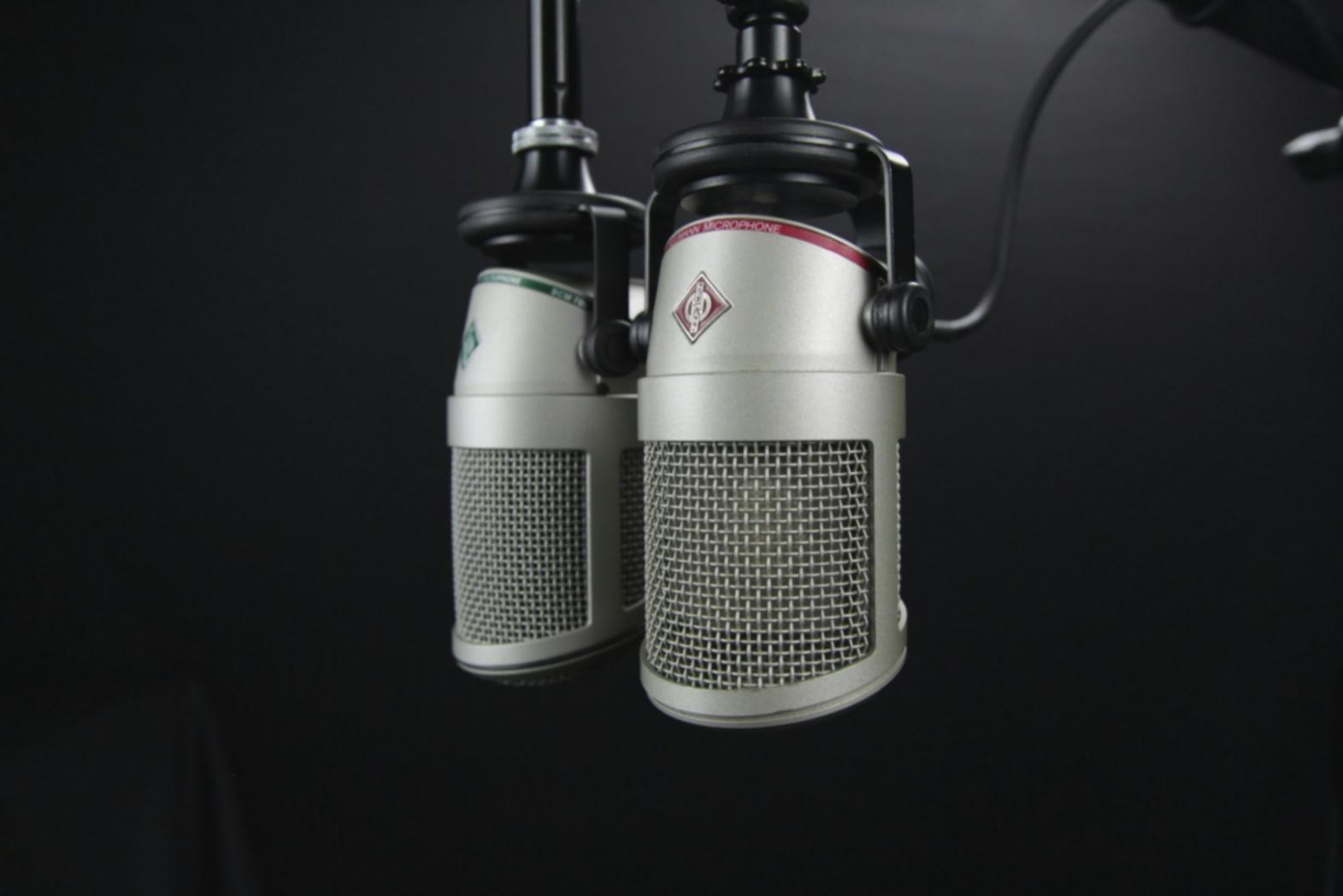
Adding reverb to vocals always pushed them back in my mix. I tried different reverb types and decay times but the vocals still lacked presence. The problem was pre-delay, and I had been setting it completely wrong.
Test Setup
I recorded a dry vocal phrase at 120 BPM and processed it through the same plate reverb with only the pre-delay changing. I tested 0ms, 15ms, 30ms, 45ms, 60ms, 75ms, and 90ms. Each version got analyzed for frequency masking and rated by eight mix engineers for clarity and depth.
| Pre-Delay Time | Clarity Score | Depth Perception | Vocal Position | Works Best For |
| 0ms | 4/10 | High | Far back | Ambient wash |
| 15ms | 6/10 | Medium-High | Back | Dreamy vocals |
| 30ms | 9/10 | Medium | Upfront | Lead vocals |
| 45ms | 8/10 | Medium-Low | Present | Balanced space |
| 60ms | 7/10 | Low | Very upfront | Aggressive vocals |
| 75-90ms | 5/10 | Very Low | Disconnected | Special effects |
Why 30ms Became My Default
The 30ms pre-delay creates a gap between the dry vocal and reverb tail that lets the voice cut through before the ambience starts. At 120 BPM, 30ms equals roughly a 64th note, which feels natural and keeps the vocal intelligible. Below 20ms, the reverb masked consonants and reduced clarity by smearing transients.
I now set 30ms as my starting point for all lead vocals, then adjust based on tempo. Faster songs need slightly shorter times while ballads can handle 40-45ms. This one change solved years of fighting with reverb sends.
Was this article helpful?
Want to learn from Sofia Ramirez?
Get in touch to discover our workshops and start building skills that matter.
Contact Us